| Anmol Chemicals is the pioneer manufacturers of Calcium Chloride, Pharmaceutical Excipients Food & Flavor chemicals in India. We offer Halal and Kosher Calcium Chloride made in an ISO9001, ISO22000 (FSSC22000) cGMP and GLP certified facility. Our group has several manufacturing facilities spread across the world, supported by toll manufacturers and representatives in UAE, Europe, Africa, USA, China and has several associated manufacturing facilities spread across India. All the Information on Physics, Chemistry, Applications, Uses and Technology on Manufacture of Calcium Chloride is in these pages. |
| The units have one or more of the certifications like FDA GMP, ISO 9001, ISO 22000, HACCP, REACH, Kosher & Halal |
 ----------

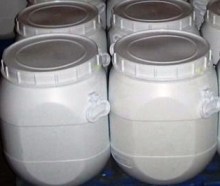



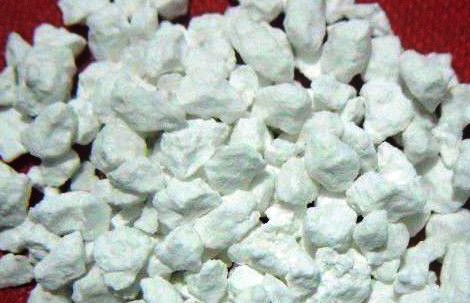

CALCIUM CHLORIDE DIHYDRATE FUSED ANHYDROUS HEXAHYDRATE LIQUID BRINE SOLUTION MANUFACTURERS
CAS No.: 10043-52-4; EINECS: 233-140-8; Molecular Weight: 110.98; Chemical Formula: CaCl2 for Calcium Chloride Anhydrous
CAS No.: 10035-04-8 ; EINECS: 233-140-8; Molecular Weight: 147.02; Chemical Formula: CaCl2.2H2O for Calcium Chloride Dihydrate
CAS No.: 7774-34-7; Molecular Weight: 219.07; Chemical Formula: CaCl2.6H2O for Calcium Chloride Hexahydrate
Arabic مصنعي كلوريد الكالسيوم
Dutch Calcium Chloride fabrikanten
Italian Produttori di cloruro di calcio
English calcium chloride manufacturers
Spanish Fabricantes de cloruro de calcio
French Fabricants de chlorure de calcium
Portuguese Fabricantes de cloreto de cálcio
German Kalzium-Chlorid Lösung Sole Hersteller
Calcium Chloride Fused Anhydrous Brine Solution
Calcium Chloride IP BP USP
Calcium Chloride FCC Food grade ACS AR Analytical reagent grade
Calcium Chloride Dihydrate Hexahydrate
For MSDS Sheet Click
MSDS of Calcium Chloride Anhydrous Manufacturers
MSDS of Calcium Chloride Fused Dihydrate Manufacturers
MSDS of Calcium Chloride Liquid Brine, Solution & Hexahydrate Manufacturers
Calcium Chloride
Fused, Anhydrous, Lumps, Powder, Crystals, Dihydrate,
Hexahydrate, Solution, Brine
IP BP Ph. Eur. USP ACS AR LR FCC Food Grade
Specifications and Grades of Calcium Chloride
| Calcium Chloride Fused; Hard Solid or Porous Fused | Calcium Chloride Anhydrous |
| Calcium Chloride Hard Solid 72-75% or 80% Porous Fused Assay | Calcium Chloride Anhydrous 94-98% Assay |
| Appearance White Lumps | Appearance White Lumps or Powder |
| Magnesium 0.3% max. | Magnesium 0.3% max. |
| Iron 100 ppm max. | Iron 100 ppm max. |
| Dry Basis Assay 98% min. | Dry Basis Assay 98% min. |
| In 50 Kgs. HDPE bag with HMHDP liner. | In 50 Kgs. HDPE bag with HMHDP liners |
CaCl2- Calcium Chloride Food Grade and Pharma Grade
| Calcium Chloride Anhydrous | Calcium Chloride Dihydrate |
| 93% min. CaCl2 Calcium Chloride Anhydrous | 97 to 103% as CaCl2.2H2O Di-hydrate |
| Arsenic (As)= 0.0003% max. 3 ppm. max. | Arsenic (As)= 0.0003% max. <3 ppm |
| Lead (Pb)= 0.001% max. 10 ppm. max. | Lead (Pb)= 0.001% max. <10 ppm. |
| Heavy Metal as (Pb)= 0.0003% max. 3 ppm. max. | Heavy Metal as (Pb)= 0.0003% max. <3 ppm. |
| Magnesium/Alkali= 1% max | Magnesium/Alkali= 1% max. |
| Clarity of 10% Solution= Clear & Colorless | Clarity of 10% Solution= Clear & Colorless |
| Free Acid or Alkali= 0.005% max. & pH 4.5-9 0.2ml of 0.01M HCl/NaOH to 10ml of 10% |
Free Acid or Alkali= 0.005% max. & pH 4.5-9 0.2ml of 0.01M HCl/NaOH to 10ml of 10% |
Calcium Chloride Dihydrate & AR Analytical Reagent Grade
| CaCl2.2H2O EXTRA PURE; A. R. MERCK SPECIFICATIONS. | |
| Assay Calcium Chloride Dihydrate CaCl2.2H2O | 97%-103%. as CaCl2.2H2O Calcium Chloride Dihydrate |
| Free Acid or Alkali | 0.005% Max. as HCl OR Ca(OH)2. |
| Sulphate (SO4) | 0.01% Max. |
| Iron | 0.001% Max. |
| Magnesium | 0.05% Max. |
Calcium Chloride Hexahydrate (EXTRA PURE)
| CaCl2.6H2O EXTRA PURE; A. R. MERCK SPECIFICATIONS. | |
| Assay as Calcium Chloride Hexahydrate | 99%-101%. as CaCl2.6H2O Calcium Chloride Hexahydrate |
| Free Acid or Alkali | 0.005% Max. as HCl OR Ca(OH)2. |
| Sulphate (SO4) | 0.01% Max. |
| Iron | 0.001% Max. |
| Magnesium | 0.05% Max. |
Calcium Chloride Brine Solution Specifications
| CaCl2.6H2O EXTRA PURE; A R MERCK SPECIFICATIONS. | |
| Assay as Calcium Chloride Hexahydrate | 30%. as CaCl2 is recommended. Upto 50% CaCl2 solution can be given |
| Appearance | Clear & water white. |
| pH | 7-8 (pH can be adjusted as required) |
| Iron | 0.001% Max |
Calcium Chloride Grades - Use wise:
Gas Grade
We have actively assisted Dissolved Acetylene Gas manufacturers and developed the right grade of Calcium chloride which drastically reduces the Poisoning of Cylinders.
This grade can also be used for desiccating other gases.
Desiccation of Solvents & Gases
We have actively assisted several Solvent manufacturers, Dissolved Acetylene Gas manufacturers and developed the right grade of material which drastically reduces the
Poisoning of Cylinders. Grades suitable for any density of Solvents, for use in Azotropic or Azeotropic Distillation Desiccation Hydrocarbon Drying and Drying of any
type of Gases are offered.
Heat-Treatment Salt Grade
Our group was a manufacturer of Heat-treatment Salts, manufacturing under Die-Hard brand name. We are totally equipped to offer the best grade of the material.
Cement Paint Grade
Our association with Cement Paint manufacturers is since last 35 years. We can suggest the best and/or economical grades for Cement Paint Industry. Use of 2% Calcium
chloride in Cement or Cement Paint is very beneficial in getting good hardness in very less time of curing.
Graphic Grade
A quickly soluble grade is offered for Graphic use
Refrigeration or Brine Grade
A Brine may be defined as liquid of low freezing point used in transmission of refrigeration without change of state. The brines commonly employed in refrigeration are
Calcium Chloride and Sodium Chloride. Sodium Chloride is cheaper but cannot be used below minus 150C. Calcium Chloride of commercial grade can operate satisfactorily
upto minus 400C. Use of Calcium Chloride above 33% should be avoided as it results in crystallization resulting in reduced efficiency. The material selected should be
adjusted to pH of around 8 and it should be free from free-acid and dirt.
Colored material should not be used as it results in corrosion and scaling of the tubes. For
the same reason by-product material is not desirable as it contains Organic Chlorides which may break into Hydrogen Chloride.
We offer Calcium Chloride IP, BP, USP, ACS Analytical Reagent FCC Food grade Extra Pure made at our FDA approved world class plant Anmol Chemicals an ISO-9001-2008, ISO-22000 HACCP Certified Company using standard GMP techniques
Calcium Chloride General:
Calcium chloride is an ionic compound of calcium and chlorine. It is highly soluble in water and it is deliquescent. It is a salt that is solid at room temperature, and it behaves as a typical ionic halide. It has several common applications such as brine for refrigeration plants, ice and dust control on roads, and in cement. It can be produced directly from limestone, but large amounts are also produced as a by-product of the Solvay process. Because of its hygroscopic nature, it must be kept in tightly-sealed containers.
Natural occurrence
Natural occurrence of a dihydrate (mineral sinjarite) and hexahydrate (antarcticite) is very rare and connected mainly with dry lakes and brines. Chlorocalcite KCaCl3 is a related mineral (also very rare).
Chemical properties
Calcium chloride can serve as a source of calcium ions in solution, for instance for precipitation because many calcium compounds are insoluble:
3 CaCl2(aq) + 2 K3PO4(aq) → Ca3(PO4)2(s) + 6 KCl (aq)
Molten CaCl2 can be electrolyzed to give calcium metal:
CaCl2(l) → Ca (s) + Cl2(g)
Uses (Industrial)
Millions of tons of calcium chloride are made each year across the globe, and it has a wide variety of industrial applications.
Because it is strongly hygroscopic, air or other gases may be channeled through a column of the material to remove moisture. In particular, it is usually used to pack drying tubes to exclude atmospheric moisture from a reaction set-up while allowing gases to escape. It can also be added to liquids to remove suspended or dissolved water. The dissolving process is highly exothermic and rapidly produces temperatures of around 60C (140F). In this capacity, it is known as a drying agent or desiccant. It is converted to a brine as it absorbs the water or water vapor from the substance to be dried:
CaCl2 + 2 H2O → CaCl2·2H2O
Aided by the intense heat evolved during its dissolution, it is also used as an ice-melting compound. Unlike the more-common sodium chloride (rock salt or halite), it is relatively harmless to plants and soil; however, recent observations in Washington state suggest it may be particularly harsh on roadside evergreen trees. It is also more effective at lower temperatures than sodium chloride. When distributed for this use, it usually takes the form of small white balls a few millimeters in diameter, called prills.
Used for its hygroscopic property, it can be applied to keep a liquid layer on the surface of the roadway, which holds dust down. It is used in concrete mixes to help speed up the initial setting, however chloride ion leads to corrosion of steel rebar, so it should not be used in reinforced concrete.
Aqueous product (in solution with water) lowers the freezing point as low as -52°C (-62°F), making it ideal for filling agricultural implement tires as a liquid ballast, aiding traction in cold climates.
Other industrial applications include use as an additive in plastics, as a drainage aid for wastewater treatment, as an additive in fire extinguishers, as an additive in control scaffolding in blast furnaces, and as a thinner in fabric softener.
Calcium chloride is also used to melt ice. Because one of its chief uses is as a drying and dehydrating agent, it is used by many municipalities in de-icing roadways.
It is also used for dust control application too. It's is sprinkled on dusty sideways. Due to it's moisture retaining properties, calcium chloride helps in control of dust.
Farmers were the first ones to figure out that if you add weight to a tractor, you get better traction. This was the genesis of the benefits of this item in tire traction. You have calcium chloride to thank for those tires with good traction. It is used in the automotive industry to obtain better traction.
Other listed uses of material are:
Calcium Chloride helps to set paper dyes by providing artificial water hardness.
It is used in the Portland cement manufacturing as an additive to reduce alkali content of cement.
It is used in the plastics industry like PVC-bending etc.
It is used in concrete additive to accelerate its hydration at low temperatures, to give the concrete durability and strength, to accelerate its setting.
It is used together with Zinc Chloride in electroplating of bright zinc on steel as the electrolyte. It may be used in electroplating of other metals too.
It is used in the petroleum industry is drying petroleum fractions like diesel, kerosene and other hydrocarbon fractions.
It is used as catalyst in organic technology, for polymerization of ethylene and propylene, for oxichlorination of ethane to vinyl chloride, for dehydration of alcohols.
It is used as base stabilization for road construction.
It is used for freeze-proofing sand for winter road application.
It is used for removal of phosphates and fluorides in effluent treatment plants.
Calcium Chloride is used for mines and oil well drilling or drilling muds & chemicals.
It is used as a supplement or for calcium deficiency in animals.
It is used in agriculture it is for improving the product quality like tomato skin.
It is a compound of significant interest to many marine aquarists. Besides its potential use in formulating artificial salt mixes, it is also useful in directly supplementing calcium to aquaria.
....and ......
Uses (food)
As an ingredient, it is listed as a permitted food additive in the European Union for use as a sequestrant and firming agent with the E number E509. The anhydrous form has been approved by the FDA as a packaging aid to ensure dryness (CPG 7117.02).
Calcium chloride is commonly used as an Electrolyte and has an extremely salty taste, as found in sports drinks and other beverages such as Smartwater and Nestle bottled water. It can also be used as a preservative to maintain firmness in canned vegetables or in higher concentrations in pickles to give a salty taste while not increasing the food's sodium content. It is even found in snack foods, including Cadbury Caramilk chocolate bars (purpose unknown).
It can be used to make a caviar substitute from vegetable or fruit juices or added to processed milk to restore the natural balance between calcium and protein for the purposes of making cheese such as brie and stilton. Its's exothermic properties are exploited in many 'self heating' food products where it is activated (mixed) with water to start the heating process, providing a non-explosive, dry fuel that is easily activated.
It prevents spoilage of food and is popularly used as a preservative in packed foods. It also helps to keep the food healthy and fresh for a longer duration. As pasteurized milk greatly diminishes calcium content, calcium chloride is added in small amounts to aid coagulation and form quality curd. It is also an important cheese making additive. The water solution of calcium chloride is used in refrigerators. The solution is an essential cooling agent for making ice.
It helps in lowering the freezing or melting point of water. It melts ice faster than any other chemical compound and that is why in extremely cold conditions, the highway department applies it in a powder form on the roads and sidewalks. It is also widely used as an additive in the paper making industry and in the manufacturing of dyes. It is also often used as a dehydrating agent in the petrochemical industry, due to its ability to deprive a chemical compound of its water content.
In brewing beers (esp. ales and bitters), calcium chloride is sometimes used to correct mineral deficiencies in the brewing water (calcium is important for enzyme function during the mash, for kettle protein coagulation (the "hot break") and yeast metabolism) and adds permanent hardness to the water. The chloride ions enhance flavor and give a perception of sweetness and fuller flavor, whereas the sulfate ions in Gypsum, which is also used to add calcium ions to brewing water, tend to impart a drier, crisper flavor with more bitterness.
Calcium Chloride is also used in making cheese. It improves curd size and texture when using store bought milk. One teaspoon of 30% solution will treat 2 gallons of milk. To compensate for the processing of store bought milk, add calcium chloride prior to adding rennet to the cheese mixture. The addition of calcium chloride will help restore the altered milk protein and aid in the development of a quality curd.
It is strongly hygroscopic. A layer of calcium chloride is applied on roads and in mines to minimize dust problems. It is often added to concrete mixes as it has been proved that concrete containing it hardens rapidly, thus reducing the time of setting. Calcium Chloride provides greater concrete strength. Unlike other chemical compounds, it does not damage the concrete. It is exothermic. When added in liquids to remove dissolved water, a huge amount of heat is released and the temperature rises. This property is often used to start the heating process required for industrial purposes.
Agriculture Uses
A number of studies show crop responses to foliar calcium, but these are not necessarily based on experiments with the chloride form. For example, a spray that contained calcium oxide increased yields and average fruit size of tomatoes. In agriculture, calcium chloride has been used to manage about 35 different physiological disorders of plants. Annual sprays of calcium chloride increased yields of Anjou pears and decreased incidence of alfalfa greening and cork spot. Late season sprays of calcium chloride reduced cork spot and increased yields of pears. Four sprays in a season on Bartlett pears increased yields and reduced incidence of black end by 25-68%. Bitter pit of apples was slightly reduced by sprays, but considerably reduced by a 30-40 second dip of 1-4% calcium chloride. Sprays of developing fruit on fig trees reduced the susceptibility to fruit cracking. It reduced physiological disorders of lettuce when sprayed once or twice a week before head formation.
Other listed agriculture uses are:
Pickles - Placing fresh cucumbers in a tank containing a solution of .5% calcium chloride and 7.0% sodium chloride reduces softening during fermentation.
Apples - Immersing apples in a 3.0 - 8.0% calcium chloride solution reduces cork spotting and bitter-pit problems.
Cherries - Brining sweet cherries in a 2.5 - 4.0% solution of calcium chloride preserves their firmness.
Olives - Brining Black Ripe and Greek olives in a solution containing 0.5 - 1.0% calcium chloride maintains their firmness.
Fruits and Vegetables: it is used in to increase the firmness of fruits and vegetables, preventing breakup in processing and cooking.
Cheese Manufacturing: it is used to increase the size and strength of the curds.
Beverage Manufacturing: The bottling industry uses it to remove sodium alkalinity from water used in soft drink and beer formulation. Water is then remineralized to
desired levels assuring uniform taste regardless of processing location.
Novelty Ice Cream: Calcium chloride is also used as a refrigerant in molds used to manufacture novelty ice cream and frozen dessert products.
It is also used as a meat tenderizer and a flavor enhancer.
Uses (biological/medical)
Calcium chloride can be injected as intravenous therapy for the treatment of hypocalcaemia (low serum calcium). It can be used for: insect bites or stings (such as Black Widow Spider bites); sensitivity reactions, particularly when characterized by urticaria (hives); magnesium intoxication; as an aid in management of the acute symptoms in lead colic; in cardiac resuscitation, particularly after open heart surgery. Parenteral calcium can be used when epinephrine has failed to improve weak or ineffective myocardial contractions. The injection may antagonize cardiac toxicity as measured by electrocardiogram (ECG/EKG).
It can help rapidly lower dangerously-high levels of serum potassium in hyperkalemia. Calcium chloride can be used to quickly treat Calcium Channel Blocker toxicity, from the side effects of drugs such as Diltiazem (Cardizem) - helping avoid potential heart attacks.
The aqueous form of calcium chloride is used in genetic transformation of cells by increasing the cell membrane permeability, inducing competence for DNA uptake (allowing DNA fragments to enter the cell more readily).
It can also be used in the reef aquarium hobby for adding bio-available calcium in solution for calcium-using animals such as algae, snails, hard tube worms, and Corals although the use of calcium hydroxide (kalkwasser mix) or a calcium reactor is the preferred method of adding calcium. However, calcium chloride is the quickest method to increase calcium levels as it dissolves readily in water.
General Precautions
Calcium chloride is an irritant, particularly on moist skin.
Dry calcium chloride reacts exothermically when exposed to water. Burns can result in the mouth and esophagus if humans or other animals ingest dry calcium chloride. Small children are more susceptible than adults (who generally have had experience trying to eat hot food, and can react accordingly) so calcium chloride should be kept out of their reach.
For Clinical Pharmacology please check drug.com
We also offer Calcium Butyrate, Calcium D-saccharate, Calcium Glycerophosphate, Calcium Lactobionate, Calcium Sulfate, Aluminum Chloride Anhydrous & Hexahydrate, Chromium Chloride Anhydrous & Hexahydrate and Ferric Chloride Anhydrous & Hexahydrate, Magnesium Chloride Hexahydrate Anhydrous.
Calcium Chloride Liquid Fused Anhydrous Dihydrate Hexahydrate manufacturers:
Anmol Chemicals
S-8, SARIFA MANSION, 2ND FLANK ROAD, CHINCHBUNDER, MUMBAI 400009, INDIA
TEL: (OFFICE) 91-22-23770100, 23726950, 23774610, 23723564. FAX: 91-22-23728264
e-mail: anmolc@mtnl.net.in

Ammonium bromide -- Aluminium chloride -- Aluminum chloride -- Ammonium sulfate -- Ammonium persulfate -- Barium chloride -- Benzyl Alcohol -- Boric Acid -- Calcium phosphate -- Calcium propionate -- Calcium Oxide -- Calcium Hydroxide -- Calcium Sulfate -- Copper sulfate sulphate -- Calcium saccharate -- Ceric ammonium nitrate -- Chromium Chloride -- Cinnamaldehyde Cinnamic aldehyde -- Cupric chloride -- Gentian Violet -- Magnesium Chloride -- Magnesium Sulfate -- Manganese Chloride -- Manganese Sulfate -- Methylene Blue -- Potassium iodide -- Potassium nitrate Potassium nitrite -- Sodium sulfate -- Mono di ammonium phosphate -- Potassium acetate -- Potassium bromide -- Potassium phosphate monobasic dibasic tribasic -- Sodium Bicarbonate -- Sodium Borate -- Sodium Bromide -- Sodium Diacetate -- Sodium hexametaphosphate -- Sodium Hydroxide Pellets -- Sodium nitrite Sodium nitrate -- Sodium phosphate monobasic dibasic tribasic -- Zinc nitrate – Potassium Bitartrate -- Cream of Tartar
Exports to USA, Canada, UAE, Dubai, South Africa, Tanzania, Kenya, Nigeria, Egypt, Uganda, Turkey, Mexico, Brazil, Chile, Argentina, Europe Netherlands, Italy, Spain, Germany, Portugal, France, Malaysia, Indonesia, Thailand, Korea, Japan, etc.
Copyright. March 3, 2022
Product Links: Calcium Chloride --- Potassium Chloride --- Ammonium Chloride --- Sodium Acetate --- Zinc Chloride